IPv4.Global Blog
Driven by leaders, IPv4.Global is founded in expertise, efficiency, and industry knowledge. From serving on advisory boards, to attending regional meetings, our team is integral to the IP community. Read from our experts first-hand and subscribe to our Medium.
IPv6-First, IPv4-Enough
Build IPv6-first while keeping enough IPv4 for essential services. Learn how greenfield broadband operators can size their IPv4 needs, reduce translation overhead, and plan before activation. Read more
Compliance-Grade IPAM
Every operator that signs a BEAD subgrant agreement enters into a substantial reporting, monitoring, and recordkeeping environment, whether or not anyone frames it that way at closing. IPAM and DDI discipline should therefore be treated as compliance-supporting and audit-readiness infrastructure, not merely an operational nicety or a someday project. Read more
BEAD: CGNAT or Buy?
If you’re engineering a BEAD-funded build these days, someone in your organization has already said it: “We’ll just run CGNAT.” It’s the reflexive answer to IPv4 scarcity, and it’s not a crazy one, but the goal is a framework that lets you make the case for whichever fits your build. Read more

Lease, Lease-to-Own, Buy, Or Wait?
BEAD hands you a construction schedule with milestones, phases, and a subscriber ramp for you to use. Even better, the situation comes with a menu of sources with enough structures to match each part of the demand curve. Read more
Sizing IPv4 for a BEAD Build: How Many Addresses Does a Subgrant Actually Require?
BEAD has moved from planning to construction. State final proposals have been approved, subgrantees have been selected, and network builds funded by the $42.45 billion program will run through the end of the decade. Very few budgets itemize IP addresses. Read more

BYOIP Strategies in the Cloud: Do Cloud-Provided IPs Really Save You Money?
Cloud-provided IPs may be convenient, but are they really the most cost-effective option? BYOIP can offer greater control, portability, and long-term savings. Read more
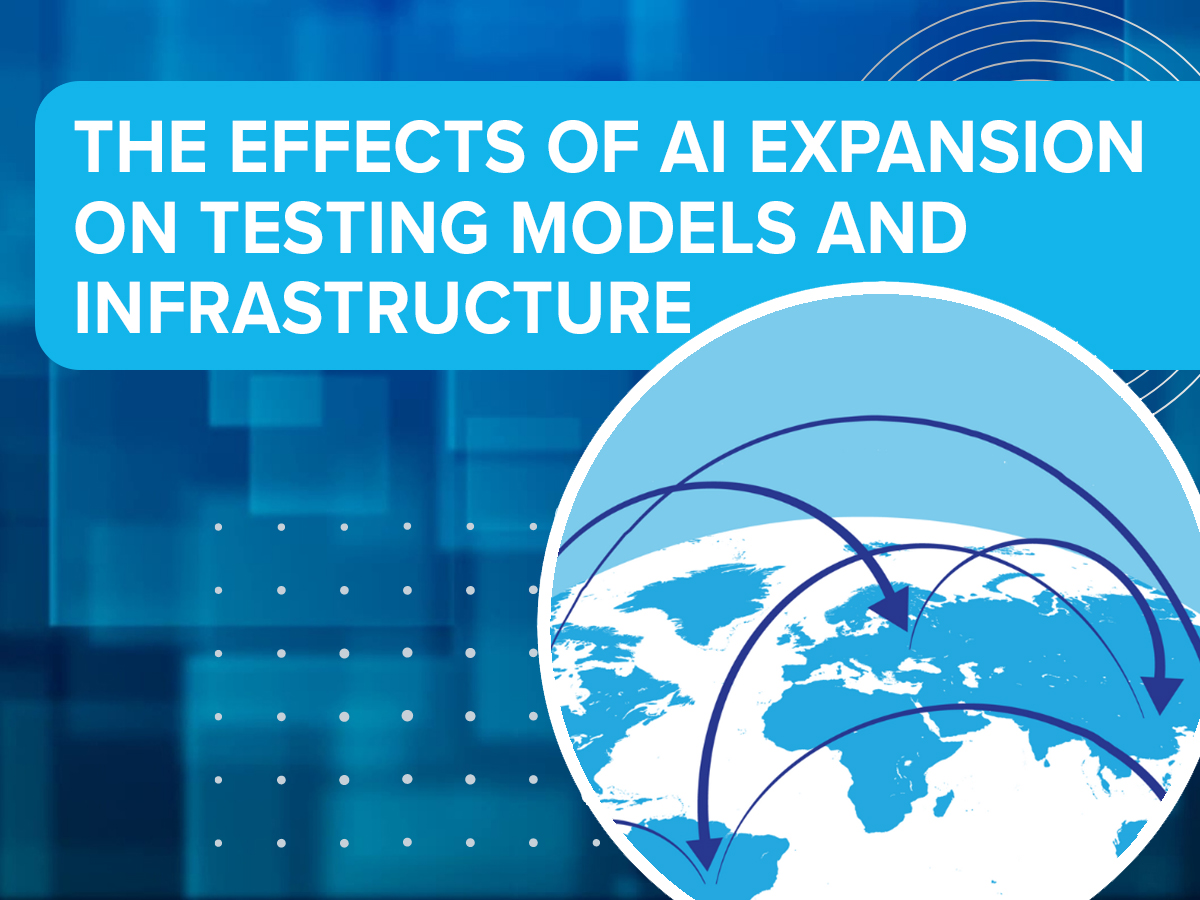
The Effects of AI Expansion on Testing Models and Infrastructure
AI expansion is forcing operators to examine the network as a connected system rather than a collection of links, devices, and applications that can each be expanded independently. Read more
BEAD, Capital Markets, and the M&A Pressure on Small ISPs and WISPs
The telecommunications and broadband sectors are in a period of serious consolidation. So active, in fact, that it is sometimes referred to as “Broadband M&A 2.0.” Smaller ISPs and WISPs are being swept up in this wave of mergers and acquisitions. Read more
Consolidating and Selling IPv4 Space with ProVision
Most organizations that hold IPv4 space know roughly how much they have. What they often don’t know is how much of it they’re actually using. That gap is, in many cases, quite valuable. Read more
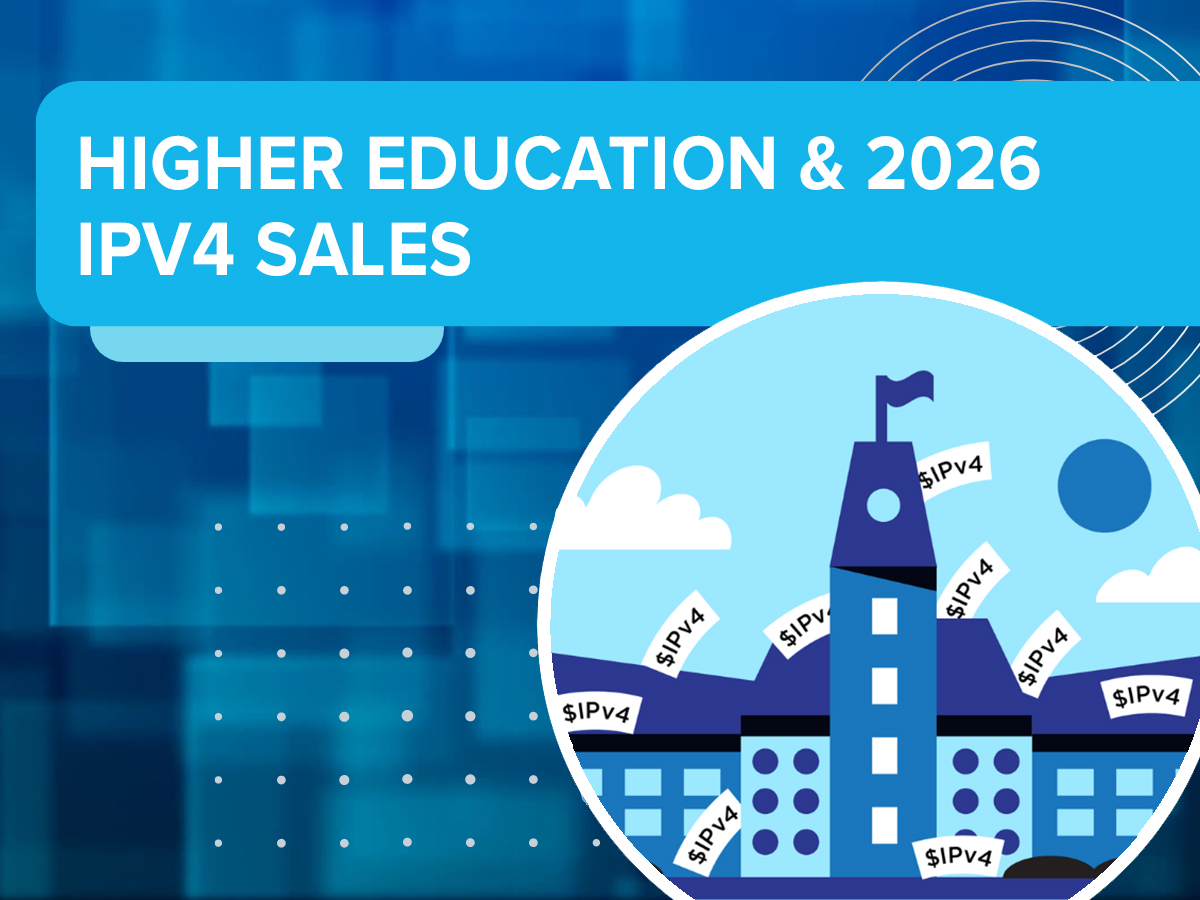
Higher Education & 2026 IPv4 Sales
Between roughly 2015 and 2024, a wave of colleges and universities discovered they were sitting on eight-figure IPv4 assets. These assets have since generated hundreds of millions of dollars in aggregate for higher education, and the window, though changed, remains open. Read more
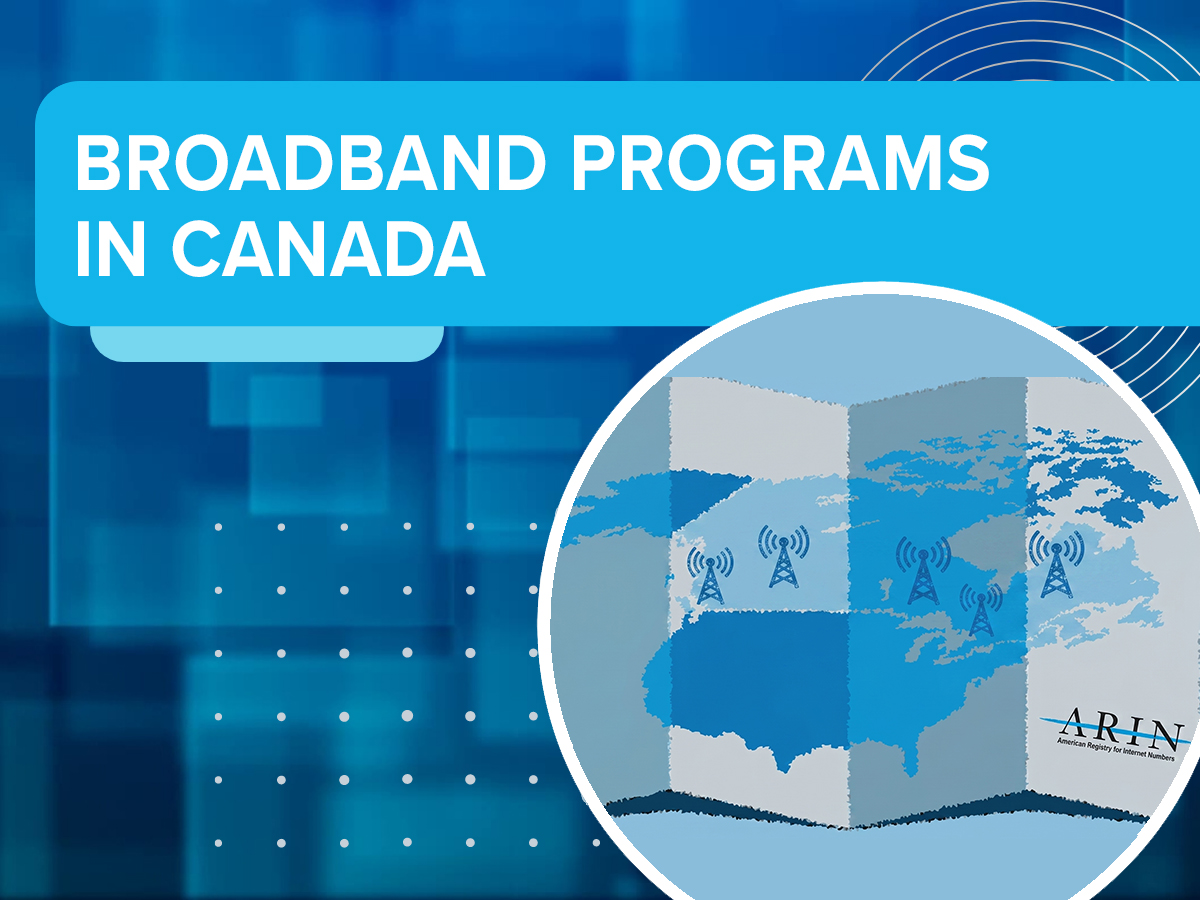
Broadband Programs in Canada
Canada has a goal of providing 98% of the country’s population with “high-speed” or “broadband” internet access by the end of 2026 with the remaining 2% covered by 2030. Given Canada’s size and population, major highway and road coverage, along with institutions, households, and businesses are targeted. Read more
IPAM & DDI Guide for Network Administration
There is a tension every network administrator knows well: when the network works, it’s invisible. When it fails, it’s everybody’s emergency. Read more